Why Phone Type Matters More Than People Realize
When it comes to pool emergency phones, many HOAs and property managers assume that any phone meeting basic requirements will pass inspection. An emergency phone is an emergency phone, right?
Not quite. The type of phone you install, specifically, whether it uses a traditional handset or a push-button speakerphone design, can determine whether your pool passes or fails inspection. Some counties have explicit rules that restrict push-button models entirely, requiring handset-style operation for pool emergency communication.
This distinction catches many property managers off guard. They purchase what looks like compliant equipment, only to learn during inspection that their county requires a different style of phone. The result is wasted money, delayed pool openings, and unnecessary stress.
This guide explains the difference between handset and push-button pool phones, why certain jurisdictions prohibit push-button models, and how to choose equipment that meets the strictest requirements, so you get it right the first time.
The Two Main Types of Pool Emergency Phones
Pool emergency phones generally fall into two categories, each with distinct operating methods and compliance implications.
Handset Phones
Handset phones operate like a traditional telephone. The caller lifts the receiver, holds it to their ear, and either dials 911 or the call connects automatically. This design has been the standard for emergency communication for decades, and virtually everyone, regardless of age or technical comfort level, understands how to use one.
The handset provides clear two-way audio because the earpiece is held close to the ear and the mouthpiece is positioned near the caller's mouth. This design naturally filters out background noise, making it easier for dispatchers to hear and understand the caller.
Push-Button Phones
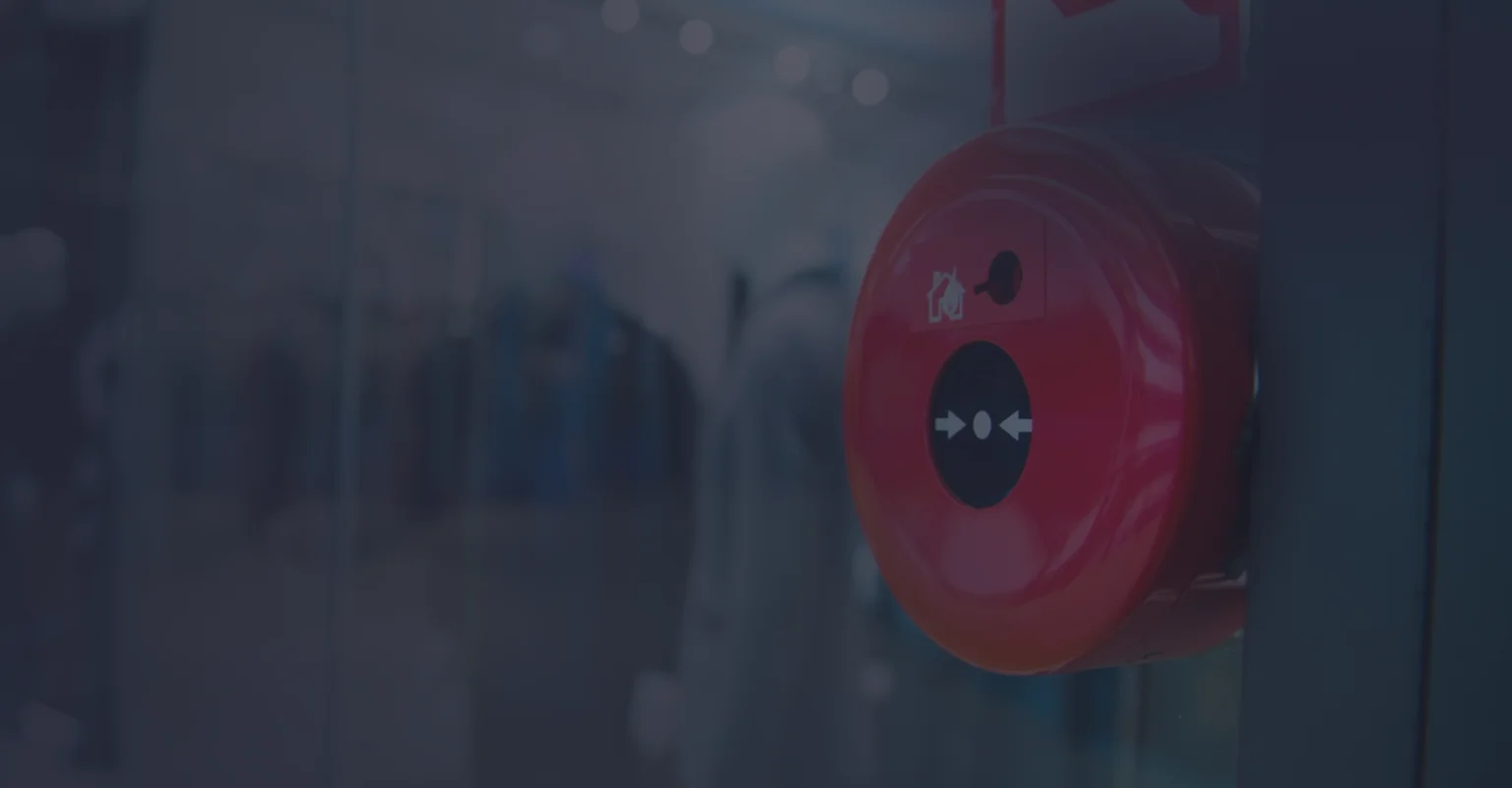
Push-button phones, sometimes called call boxes or speakerphone units, require the user to press a button to initiate a call. The caller then speaks toward the unit and listens through a built-in speaker. Some models connect directly to 911, while others route through a monitoring center.
While push-button designs work well in controlled environments like elevators or parking garages, they present challenges in outdoor pool settings. Wind, splashing water, children playing, and general pool noise can interfere with audio quality, making it difficult for dispatchers to hear callers clearly.
Quick Comparison
| Feature | Handset Phone | Push-Button Phone |
|---|---|---|
| Operation | Lift receiver, dial or auto-connect | Press button, speak toward unit |
| Audio Quality | Clear, isolated from background noise | Can pick up wind, water, crowd noise |
| User Familiarity | Universal, all ages understand | May confuse some users |
| Code Acceptance | Accepted in all jurisdictions | Prohibited in some counties |
| Best For | Pools, outdoor areas, noisy environments | Elevators, quiet indoor spaces |
Why Some Counties Prohibit Push-Button Emergency Phones
Restrictions on push-button emergency phones exist for specific, code-driven reasons, not arbitrary ones. Local health departments and code enforcement agencies often mandate handset-operated phones for pools, and their requirements reflect real concerns about usability and reliability.
Many codes call for a "direct, hand-operated" communication method. This language refers to a traditional handset that a caller holds, controls, and speaks into, unlike push-button or intercom-style models, which don't meet this standard.
Some regulations go further by requiring the ability to dial numbers beyond 911. In some emergencies, a caller might need to reach poison control, a non-emergency police line, or on-site property management. Only handset phones with a full keypad provide that flexibility. Most push-button systems don’t allow outgoing calls to multiple numbers.
Audio clarity also plays a major role. Pool environments tend to be loud, between kids shouting, water splashing, and wind interference, speakerphones struggle to isolate the caller’s voice. A handset phone filters out background noise, giving dispatchers a clearer line of communication. Speaker-style systems pick up everything nearby, which can delay emergency response when clarity is critical.
Some counties, like several in North Carolina, spell this out directly. Their regulations explicitly require handset-style emergency phones for pool use. If a property installs a push-button model, even a premium one, they risk inspection failure and forced replacement.
If you're unsure what rules apply to your pool, you're not alone. Requirements often vary by region and aren’t always well-publicized. Even calling the health department can lead to unclear or conflicting answers. That’s why many HOAs and property managers ask us to confirm local codes before making a purchase.
Emergency Pool Phone Requirements Emergency Pool Phone Laws By State
Why Handsets Are Often the Better Choice
Beyond code compliance, there are practical reasons to choose a handset phone for your community pool, reasons that become clear when you consider who might need to use it during an emergency.
Familiar operation under stress. Emergencies are chaotic. People panic, adrenaline spikes, and fine motor skills deteriorate. In that moment, the last thing you want is a device that requires someone to figure out how it works. A handset phone requires only one action that virtually everyone has performed thousands of times: pick up the phone. That familiarity matters when seconds count.
Accessible to all ages. Community pools serve everyone from young children to elderly residents. A ten-year-old who's never used a call box might freeze when faced with buttons and speakers, but that same child knows exactly what to do with a telephone handset. Similarly, older adults who grew up with rotary phones may find push-button intercoms confusing or intimidating.
Better audio in outdoor environments. Wind is the enemy of speakerphones. Even a moderate breeze can make it difficult for dispatchers to hear callers clearly. A handset naturally shields the microphone from wind and positions the speaker close to the caller's ear, creating a clearer communication path in both directions.
No confusion about connection status. With a push-button phone, callers sometimes aren't sure whether the call has connected. Is it ringing? Did someone answer? Should I push the button again? A handset eliminates this uncertainty, you hear the dial tone, the ringing, and the dispatcher's voice clearly in your ear.
Even in jurisdictions that technically allow push-button phones, handsets often make more practical sense. The familiar operation, superior audio quality, and universal accessibility make them the safer choice for community pools.
Compliance Considerations You Should Know
Understanding what codes actually require helps you make informed equipment decisions. While specific language varies by jurisdiction, most pool communication requirements share common elements.
Clear two-way voice communication. This is the foundation of most requirements. The phone must allow the caller to speak with dispatchers and hear their instructions. One-way alert systems or panic buttons that only send a signal don't qualify. Push-button phones technically provide two-way communication, but in some jurisdictions, the audio quality concerns discussed earlier mean they don't meet the "clear" standard.
Dialing capability. Many codes require the ability to dial, not just press a single emergency button. This ensures callers can reach 911 directly and potentially other numbers if needed. Phones with keypads satisfy this requirement; single-button call boxes often don't.
No delays or third-party routing. Emergency calls should connect directly to 911, not to a monitoring center that then contacts emergency services. This direct connection eliminates delays that could matter in life-threatening situations. Some push-button systems route through monitoring services, which may not comply with codes requiring direct 911 access.
Dedicated communication path. The emergency phone should be a dedicated device, not a shared office phone or a line that might be in use when an emergency occurs. This ensures availability when it's needed most.
Visible signage. Most codes require clear signage identifying the emergency phone and providing basic instructions. This helps ensure anyone at the pool, including visitors unfamiliar with the property, can quickly locate and use the phone.
When you're evaluating whether a specific phone meets your local requirements, consider how each of these elements applies. A phone that satisfies one requirement but fails another won't pass inspection.
4G/LTE Wireless Compatibility: Does Phone Type Matter?
With traditional landlines being phased out across the country, wireless connectivity has become the practical choice for many pool emergency phones. This raises a reasonable question: does the handset vs. push-button distinction still matter with wireless technology?
The short answer is yes. The underlying technology, whether landline, VoIP, or cellular, doesn't change local code requirements about phone type. A wireless push-button phone is still a push-button phone, and jurisdictions that prohibit push-button models don't make exceptions for wireless connectivity.
Both handset and push-button phones can technically work with 4G/LTE wireless terminals. The wireless hub provides the connection; the phone determines the user experience and compliance status. You can have a state-of-the-art wireless system that still fails inspection because the attached phone doesn't meet local requirements.
This is why SouthEast Telephone pairs our wireless hub with a handset phone rather than a push-button model. The handset design satisfies the strictest code requirements while the wireless technology provides reliable connectivity without dependence on aging landline infrastructure. You get modern technology with universal compliance.
The combination also delivers better real-world performance. Clear audio quality from the handset pairs with reliable cellular connectivity to create a system that works consistently when it matters most.
Common Questions from HOAs and Pool Managers
Is a push-button phone ever allowed?
Yes, in many jurisdictions. Push-button phones aren't universally prohibited, they're just restricted in certain counties and localities. If your area allows push-button models and you're confident in your local requirements, they can be a viable option. However, if you manage pools across multiple jurisdictions or aren't certain about local rules, a handset phone is the safer choice because it's accepted everywhere.
Does a handset phone guarantee compliance?
A handset phone addresses the phone type requirement, but compliance involves more than just the device style. You also need direct 911 connectivity, proper location delivery, appropriate placement, and other factors. A handset phone is a necessary component of compliance in some areas and a best practice everywhere, but it's one piece of a larger picture.
Can I switch from push-button to handset without replacing the whole setup?
It depends on the equipment you currently have. Some older systems allow you to replace just the phone, while others combine the phone and connectivity hardware into a single unit, which makes partial upgrades more challenging. If your push-button phone isn’t passing inspection, it’s worth reviewing the setup to see what can be reused.
Regardless of what equipment you have today, SouthEast Telephone designed our all-in-one solution with affordability and simplicity in mind. The handset and wireless connectivity are built into one unit, making installation straightforward and helping you avoid high labor costs or expensive replacement parts. Many communities appreciate that they can replace outdated or non-compliant hardware quickly — without needing to overhaul their entire infrastructure.
Do inspectors actually care which type of phone we use?
In jurisdictions with explicit handset requirements, absolutely. Inspectors in these areas are specifically looking for handset operation and will fail pools with push-button models regardless of other compliance factors. Even in areas without explicit requirements, some inspectors have a preference for handsets based on the practical benefits, better audio quality, user familiarity, and reliability. It's rarely a problem to have a handset phone, but it can be a problem to have a push-button model.
How to Know What Your County Requires
Determining your exact local requirements can be surprisingly difficult. Pool phone regulations exist in a patchwork of state codes, county health department rules, and sometimes municipal ordinances. What's required in one county may not apply in the next, even within the same state.
State codes typically provide a baseline. Most states with pool phone mandates establish minimum requirements that apply everywhere in the state. These usually address the basics: a phone must be present, it must reach emergency services, and it must be accessible.
County health departments often add specificity. This is where handset requirements typically appear. A county might adopt the state code but add provisions about phone type, placement distance, or specific equipment ratings. These local additions apply on top of, not instead of, state requirements.
Some areas follow model codes like the International Swimming Pool and Spa Code (ISPSC) or reference the Model Aquatic Health Code (MAHC). These model codes influence how requirements are interpreted, even when they're not directly adopted into local law.
For property managers, researching these layered requirements means navigating government websites, decoding legal language, and often making multiple phone calls to different departments. It's time-consuming work that doesn't always yield clear answers.
Before purchasing equipment, it's worth confirming your local rules. We're happy to help, checking requirements for specific counties is something we do regularly, and we can often provide clarity faster than navigating the process yourself.
Choosing the Right Phone for Your Community Pool
If you're selecting an emergency phone for your community pool, the choice between handset and push-button often comes down to a simple question: do you want to be safe, or do you want to be certain?
A handset phone offers certainty. It meets or exceeds requirements in every jurisdiction we're aware of. You won't face inspection surprises, equipment replacement costs, or delays while sorting out code interpretations. Even if your area technically allows push-button models, choosing a handset eliminates that variable entirely.
Beyond compliance, handset phones deliver practical advantages. They're familiar to all users, provide clear audio in noisy pool environments, and eliminate confusion about whether calls have connected. These aren't just nice-to-have features, they're factors that could matter in an actual emergency.
The phone should also deliver accurate location information to 911 when a call is placed. This automatic transmission of your pool's name, address, and callback number helps responders arrive faster, especially important at unstaffed community pools where callers might not know the exact address.
Finally, look for outdoor-rated equipment built to withstand pool environments. Sun exposure, humidity, rain, and temperature swings all take a toll. A phone that works fine in an indoor setting may fail prematurely when installed poolside.
Making the Right Choice the First Time
The difference between handset and push-button pool phones isn't just technical, it's practical. In jurisdictions that require handset operation, the distinction determines whether your pool passes inspection. Everywhere else, it affects how well the phone performs when someone actually needs to use it.
Handset phones remain the most universally accepted, most reliable option for community pools. They satisfy the strictest code requirements while delivering better real-world usability. Choosing a handset phone means you don't have to worry about whether your equipment meets local rules, it does.
For HOAs and property managers, that certainty has real value. You have enough to manage without adding emergency phone compliance to your list of concerns. Getting it right the first time, with equipment that works everywhere and performs well in practice, lets you focus on everything else that comes with running a community pool.
If you have questions about what your county requires, or if you're ready to install compliant emergency communication at your pool, we're here to help. Contact us for a quote or to discuss your specific situation.
Contact Our Team | 866-711-3398 Call Today | Learn More